
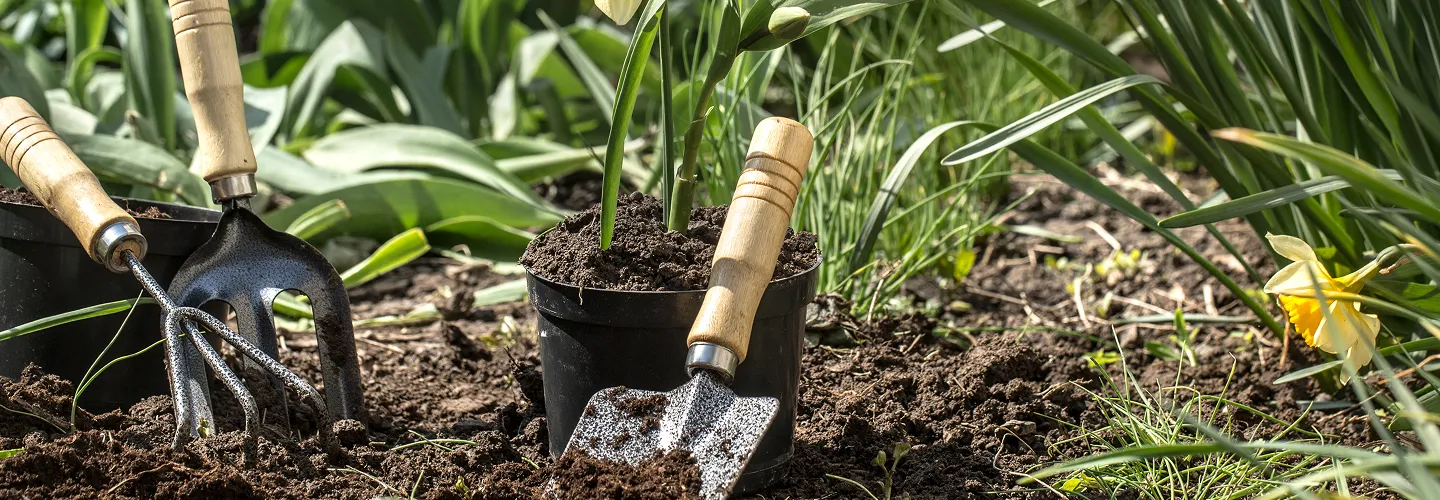
Circle D-KC Estates Plant Removal Services
Choose our plant removal services for safe, thorough, and eco-friendly solutions that restore your landscape’s beauty while saving you time and effort.
Get a Free QuoteOur Circle D-KC Estates Landscaping & Yard Care Services
When to Schedule Plant Removal in Circle D-KC Estates, Texas – Seasonal Guide
In Circle D-KC Estates, Texas, timing your plant removal is crucial for both the health of your landscape and compliance with local guidelines. The region’s climate features hot, humid summers and mild winters, with the risk of late spring frosts and periodic droughts. For most properties near landmarks like Lake Bastrop and the Circle D Community Park, the optimal window for plant removal is typically late winter through early spring, just before new growth begins and after the risk of hard frost has passed. This approach helps minimize stress on surrounding vegetation and prepares your yard for the growing season.
Local environmental factors such as sandy loam soils, dense shade from mature oaks, and fluctuating humidity levels can all impact the best time for removal. Additionally, neighborhoods like Pine Valley and the areas bordering Sudbury’s municipal guidelines may have specific restrictions or recommendations regarding plant removal and disposal. Consulting with a local expert ensures your project aligns with both environmental best practices and community standards.
Local Factors to Consider for Plant Removal in Circle D-KC Estates
- Proximity to mature tree stands and shade coverage
- Soil drainage and type (e.g., sandy loam common in the area)
- Seasonal precipitation patterns and drought risk
- Frost dates and temperature fluctuations
- Terrain slope and accessibility
- Municipal restrictions or HOA guidelines
- Wildlife habitats and protected plant species
Benefits of Plant Removal in Circle D-KC Estates

Improved Landscape Aesthetics
Enhanced Property Value
Reduced Pest Infestation
Healthier Surrounding Plants
Increased Usable Space
Professional and Efficient Service

Circle D-KC Estates Plant Removal Types

Tree Removal
-
Shrub Removal
-
Stump Grinding
-
Invasive Species Removal
-
Brush Clearing
-
Root Extraction
-
Overgrown Vegetation Removal
Our Plant Removal Process
Site Evaluation
Preparation and Safety Measures
Plant Extraction
Debris Removal
Site Restoration
Why Choose Circle D-KC Estates Landscape Services

-
Circle D-KC Estates Homeowners Trust Us
-
Expert Lawn Maintenance
-
Reliable Scheduling
-
Competitive Pricing
-
Professional Team
-
Satisfaction Guarantee
-
Personalized Service
Plant Removal and Debris Disposal Coordination in Circle D-KC Estates
Plant removal in Circle D-KC Estates requires strict adherence to municipal debris management protocols. The city schedules yard waste collection every Thursday from April through November, accepting leaves, grass clippings, and brush under 4 feet in length. Residents must use biodegradable bags or reusable bins (32-gallon maximum), while plastic bags and branches over 4 inches in diameter are prohibited. For large-scale plant removal, a permit is required for debris exceeding 2 cubic yards, with a typical review period of 5-7 business days and a $25 application fee. All plant debris must be staged curbside by 7:00 AM on collection day. Coordination with the Department of Public Works ensures compliance with local ordinances and prevents illegal dumping.
Department of Public Works
500 Fourth Avenue, Circle D-KC Estates, TX 78602
Phone: (512) 332-8800
Official Website: Department of Public Works
Soil Series and Site Conditions Affecting Plant Removal in Circle D-KC Estates
Circle D-KC Estates is characterized by Houston Black clay and Burleson clay loam soils, as identified by the USDA Web Soil Survey. These soils are expansive, with high shrink-swell potential and a pH typically ranging from 7.2 to 8.0. Poor drainage is common, especially after heavy rainfall, leading to seasonal water tables at 12-18 inches. When removing plants, it is essential to avoid soil compaction by using tracked equipment and to restore grade with 2-3 inches of compost tilled to a 6-inch depth. Soil testing is recommended through Texas A&M AgriLife Extension for accurate amendment recommendations. Key site considerations include:
- Avoiding removal during saturated conditions
- Maintaining a 25-foot buffer from wetlands and drainage ditches
- Using low-impact equipment to minimize rutting
Environmental Compliance and Stormwater Protection in Plant Removal Activities
Plant removal projects in Circle D-KC Estates must comply with the Texas Water Code and the city’s MS4 stormwater permit, which prohibits the discharge of plant debris into storm drains. The Clean Water Act mandates a 25-foot no-disturbance buffer from wetlands and water bodies. Operators must ensure that no soil or organic matter enters drainage channels, especially during rain events. The Texas Commission on Environmental Quality (TCEQ) enforces these requirements, and violations can result in fines up to $2,000 per incident. Best practices include:
- Installing silt fences along slopes
- Scheduling removal outside of forecasted rain (check National Weather Service Austin/San Antonio)
- Mulching or composting debris offsite at approved facilities
Texas Commission on Environmental Quality
12100 Park 35 Circle, Austin, TX 78753
Phone: (512) 239-1000
Official Website: Texas Commission on Environmental Quality
Equipment Operation Hours and Safety Standards for Plant Removal in Circle D-KC Estates
Circle D-KC Estates enforces municipal noise ordinances for plant removal equipment. Permitted operation hours are:
- Monday-Friday: 7:00 AM - 7:00 PM
- Saturday: 8:00 AM - 6:00 PM
- Sunday and holidays: Prohibited
All operators must use commercial-grade equipment with functioning mufflers, and noise levels must not exceed 85 decibels at property lines. Safety protocols require:
- ANSI Z87.1 safety glasses
- Hearing protection for equipment over 85 dB
- Steel-toed boots and high-visibility vests
- Maintaining a 15-foot clearance from overhead power lines
For work near public roads, advance warning signs must be placed 500 feet from the work zone. The Austin Fire Department provides additional guidance for fire safety during debris burning, which is only permitted with a city-issued burn permit.
Austin Fire Department
4201 Ed Bluestein Blvd, Austin, TX 78721
Phone: (512) 974-0130
Official Website: Austin Fire Department
What Neighborhoods Do We Serve Throughout Circle D-KC Estates, TX?
- Circle D East: Features mature oak woodlands and Houston Black clay soils, requiring careful debris management due to dense tree cover and slow drainage.
- KC Estates North: Characterized by larger lots and Burleson clay loam, with moderate slopes and occasional seasonal flooding impacting access for heavy equipment.
- Pine Valley: Noted for sandy loam inclusions and proximity to seasonal creeks, necessitating strict buffer compliance and erosion control during plant removal.
- Forest View: Contains newer developments with compacted fill soils and HOA landscaping standards, requiring adherence to both city and association guidelines.
- Lake Bastrop Acres: Adjacent to Lake Bastrop, this area has strict water quality protections and a 50-foot setback from the shoreline for all removal activities.
- Hidden Pines: Features narrow roads and overhead utilities, presenting logistical challenges for debris staging and equipment maneuvering.
- Meadow Ridge: Located in a low-lying area with high water tables, necessitating timing of removal to avoid saturated soil conditions and minimize rutting.